



Advanced security solutions and urban safety in Montreal
Across dynamic city zones, Quebec-compliant protection blends smart surveillance, structural safeguards, Bill 25 data systems, and BSP security standards. Strategies unify layers against intrusions or CNESST hazards, ensuring resilient, authorized safety environments.


Montreal regulations – Safety and compliance

RBQ building codes and accessibility
Provincial codes define construction methods, barrier-free accessibility, and energy-efficiency requirements for commercial real estate.

Public health and hygiene awareness
Sanitary protocols regulate drinking-water quality, hygiene practices, and bio-risk prevention across public facilities and businesses.

Environment and waste management
Bylaws oversee waste collection, recycling programs, GHG emission controls, and initiatives reducing urban environmental footprint.

Compliance and inspections monitoring
Inspectors conduct regulatory audits, validate permits, and issue penalties ensuring alignment with municipal safety standards.


Proactive threat prevention measures
Next-generation cybersecurity for digital networks
1
Network perimeter protection
Next-gen firewalls filter traffic, blocking unauthorized attempts while monitoring data for ransomware signatures and intrusion patterns.
2
Authentication and access verification
MFA protocols require password combinations, biometric scans, and temporary codes sent to authorized devices before granting entry.
3
Encryption protocols for personal data
Quebec Bill 25 algorithms protect personal information during transmission, rendering files unreadable without secure decryption keys.


Advanced physical security for modern spaces
Access control incorporates smart readers, biometrics, and mantrap vestibules. Frost-resistant perimeter fencing establishes boundaries with anti-climb features and buried seismic sensors. Interiors utilize reinforced doors, shatter-proof glazing, and vaults. Visitor protocols require ID verification and escort requirements throughout controlled zones.
- Reinforced entry points with impact-resistant materials and tamper-evident seals
- ULC-certified sensors monitoring window openings, vibrations, and glass breakage events
- Secure perimeter barriers incorporating anti-ram bollards and vehicle screening checkpoints
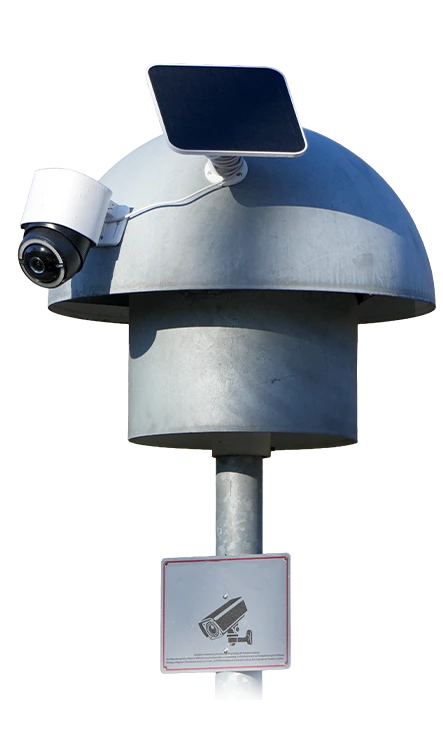
- Video surveillance eliminating blind spots through overlapping camera fields and motion activation
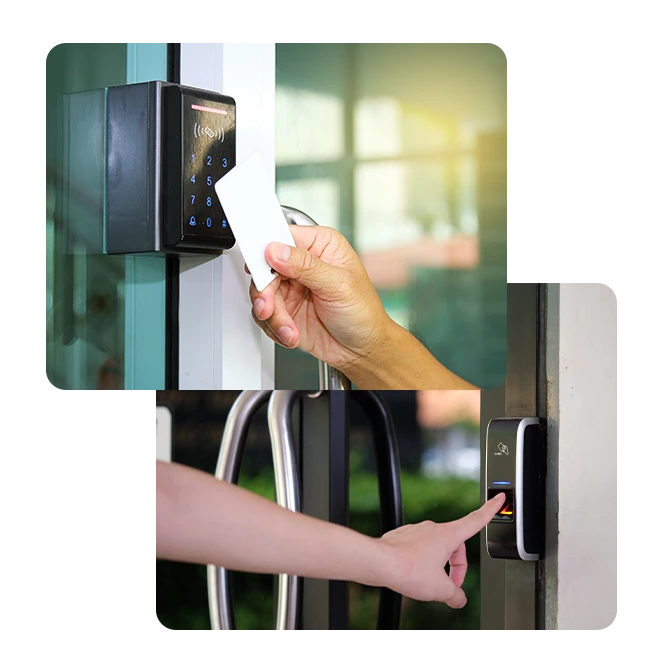

Layered defensive architecture
Continuous monitoring capabilities
Occupational health and safety in workplace settings
Quebec industrial sites mandate SIMDUT training, protective equipment, and prevention programs. Emergency stations and spill containment kits remain accessible in laboratories. Machine guarding prevents contact during operation. Ventilation extracts contaminants while noise control reduces exposure. Ergonomic designs minimize musculoskeletal risks via adjustable furniture.

Montreal urban security – integrated strategies

Citywide smart surveillance infrastructure
Connected camera networks analyze movement across intersections, transit hubs, and commercial zones to strengthen prevention efforts and enable rapid municipal response.

Professional security qualifications
BSP-mandated training validates skills in patrol routines, incident reporting, and application of Provincial security regulations.
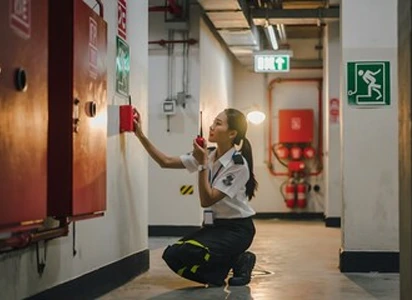
Compliance checks and verification
Authorized inspectors perform scheduled reviews: alarm testing, sprinkler systems, hazardous material logs, and records required for fire code compliance.

Mandatory environmental compliance
Montreal environmental safety – integrated strategies
Effective urban safety combines monitoring with regulatory adherence. Air quality is tracked continuously while hazardous zones use bilingual signage and restricted access. Waste management protocols reduce pollutants, and inspection programs ensure adherence to provincial environmental standards.


Ongoing enhancement through review and innovation
Frequent risk assessments detect threats, prompting timely upgrades to security measures and staff preparedness.